The Lowdown on Leg Spider Veins: Causes, Symptoms, and Solutions
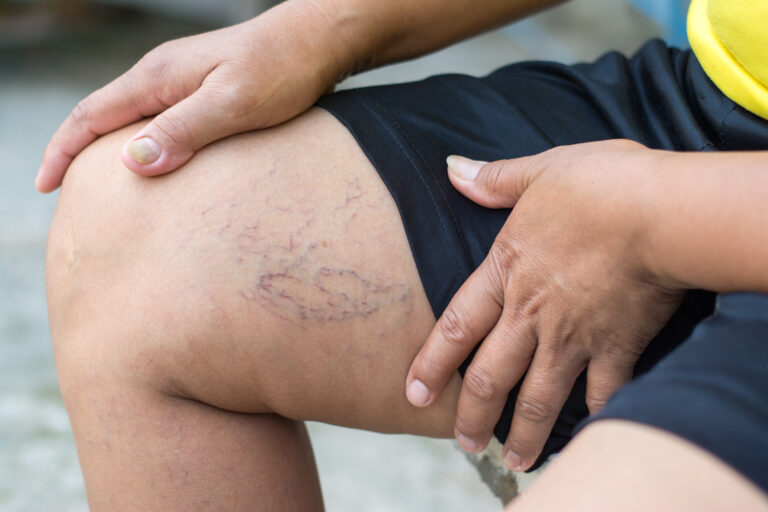
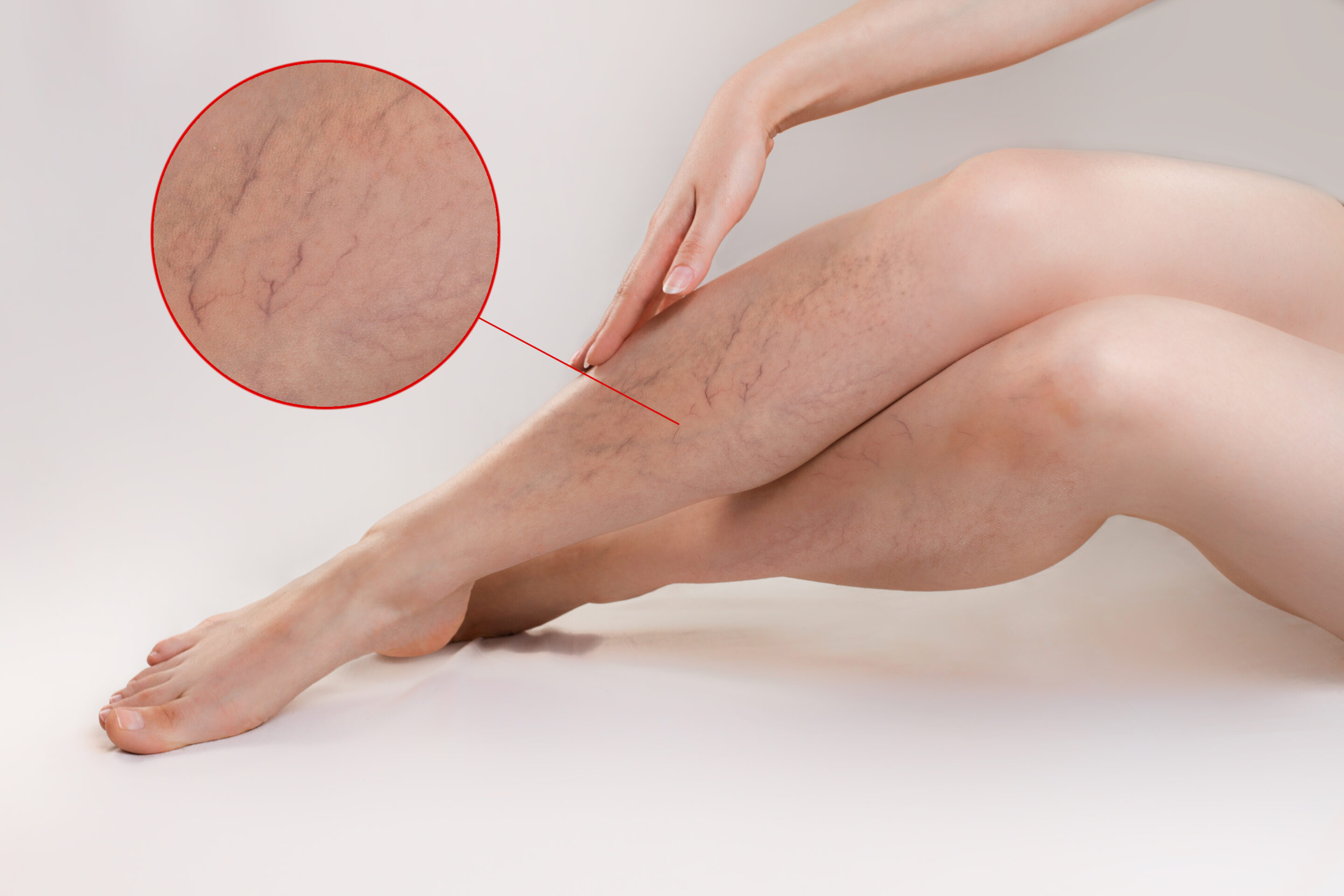
If you’re one of the many people who are self-conscious about the appearance of spider veins on your legs, you’re not alone. Leg spider veins, also known as thread veins or broken veins, are small, unsightly vessels in the skin that can be up to 1 mm in size. The medical term for these veins is telangiectasia. They are a common cosmetic concern, affecting many people, mostly women.
In this article, we’ll give you the essential facts to help you make an informed decision about whether to seek specialist treatment for your leg spider veins. We’ll cover:
- What are leg spider veins?
- What do they look like?
- What causes them?
- When are they a problem?
- How can they be treated?
What are leg spider veins?
First, let’s define what leg spider veins are. Thread veins, also known as spider veins or spider nevi, are small, dilated blood vessels that appear close to the surface of the skin. They can be red, blue, or purple in color and are typically found on the legs. They are caused by a variety of factors, including genetics, hormonal changes, pregnancy, and prolonged standing or sitting. They are not harmful to your health, but they can be unsightly and cause self-consciousness.
What do they look like?
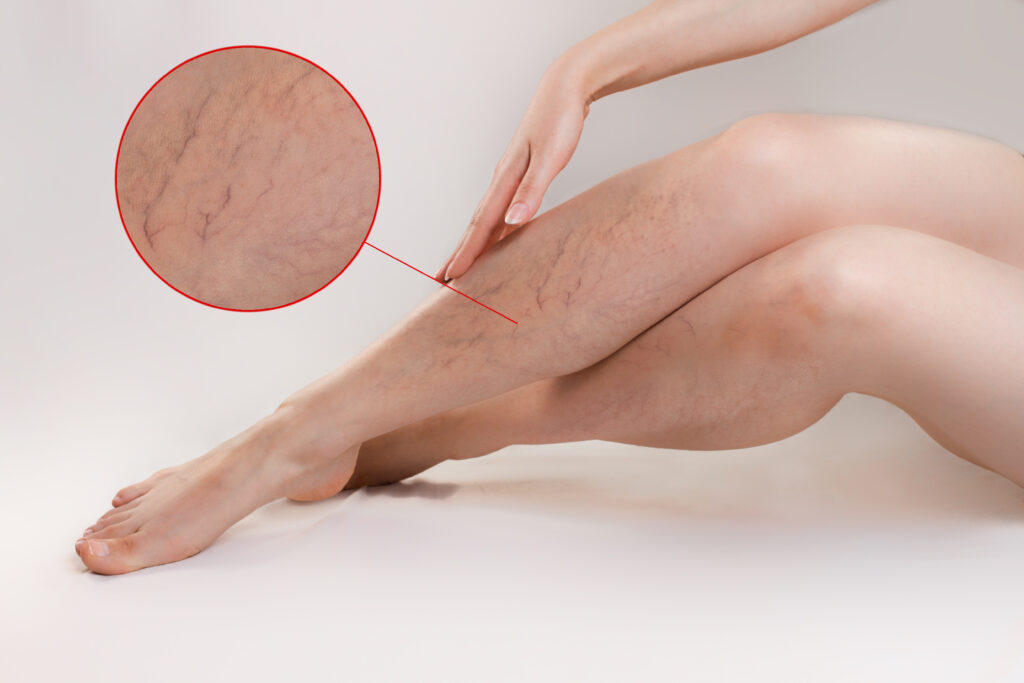
When it comes to appearance, spider veins can be found anywhere on the leg, but they are most commonly found on the outer thigh, inner calf, and around the ankle. They are easily recognizable and are typically a red, blue, or purple colour.
What causes them?
There are a variety of causes for leg spider veins, including heredity, pregnancy, hormone fluctuations, weight gain, and prolonged standing or sitting. Many of these causes are related to increased pressure on the veins of the legs and pelvic area, which can weaken and damage the vein walls, causing the blood to pool and the veins to enlarge.
When are they a problem?
Symptoms of spider veins can include itching, burning, aching, and fatigue in the legs, as well as visible discoloration and the appearance of spider-like veins on the skin. However, it’s worth noting that some people with spider veins do not have any symptoms at all.
How can they be treated?

When it comes to treating leg spider veins, you have a variety of options. Microsclerotherapy and laser therapy are popular non-surgical methods that use injections, light, or heat energy to shrink or destroy the affected veins.
It’s important to consult a qualified vein specialist if you are considering treatment for your spider veins. They will be able to advise you on the best course of action and help you make an informed decision about whether to have specialist treatment and which options would be best for you. Remember, spider veins may not always be a problem, but if they cause you any discomfort or affect your self-esteem, seeking treatment might be a wise choice.