
The Surprising Link Between Birth Control and Varicose Veins
As a woman, birth control using the oral contraceptive pill can offer a range of benefits. These include pregnancy prevention, treatment for certain conditions such as endometriosis, and regulation of menstrual cycles. However, it is also important to be aware of the potential side effects. One such side effect is the potential development of varicose veins.
Is there a link between the combined oral contraceptive pill and varicose veins?

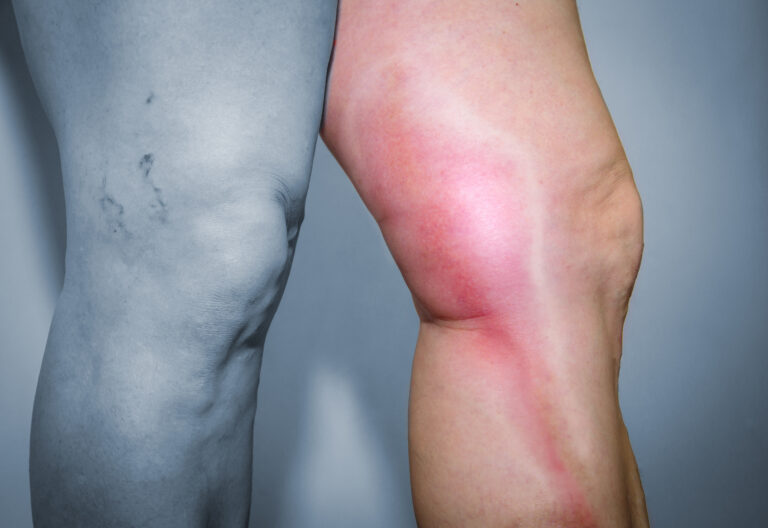
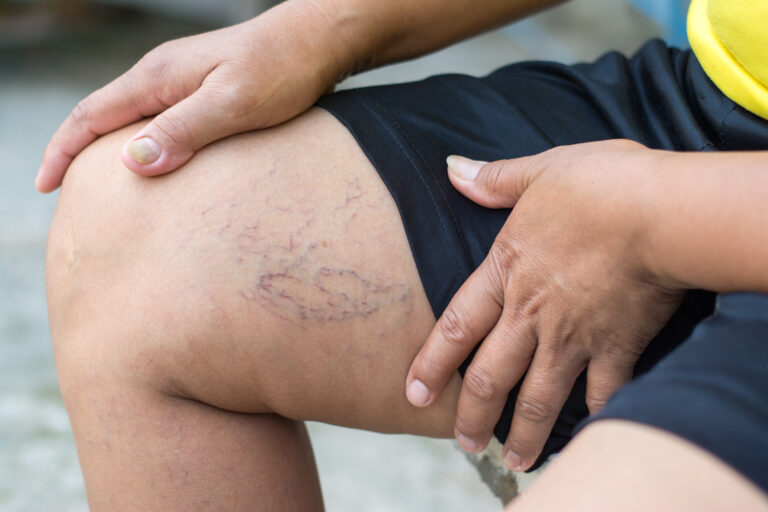
It’s thought that the hormones found in birth control pills, namely oestrogen and progesterone, can cause the blood flow throughout the body to slow down. This can lead to the veins working harder to push blood back to the heart, thereby increasing the risk of varicose veins. While varicose veins are often hereditary or caused by certain occupational hazards, birth control pills can also be a contributing factor. This is because birth control pills contain hormones, specifically oestrogen and progesterone, that can cause the blood flow throughout the body to slow down. This in turn causes the veins to work harder to push blood back up to the heart, which increases the risk of varicose veins developing.
There have been a number of studies looking at the association between the combined oral contraceptive pill and varicose veins. These include:
The Journal of Vascular Surgery published a study showing that women who used hormone-based contraceptives were found to have a 2.3-fold increased risk of developing varicose veins compared to women who did not use hormone-based contraceptives. This risk was found to be higher in women who used contraceptives for a longer duration.
The Journal of Clinical and Aesthetic Dermatology published a study showing that the risk of developing varicose veins increases with the duration of oral contraceptive use, with women who have used oral contraceptives for more than five years having a 2.5-fold increased risk of developing varicose veins.
A study published in the journal Phlebology found that there is a statistically significant association between the use of hormonal contraceptives and varicose veins. The study also found that the risk of varicose veins was higher with the increasing duration of hormonal contraceptive use.
Another study published in Vascular Medicine found that the risk of developing varicose veins is 1.5-2 times higher in women who use hormonal contraceptives compared to those who do not. The study also found that the risk was higher with increasing duration of use and that progestin-only contraceptives were associated with a higher risk than combined oral contraceptives.
It’s important to note that taking birth control alongside varicose veins is generally safe. However, it’s recommended that you seek treatment for your varicose veins in order to prevent further complications and discomfort. The earlier you seek treatment, the less invasive it will be.
What is the link between combined oral contraceptive pill and thrombosis?
Birth control pills, particularly the combined oral contraceptive pill (the most common type) are associated with an increased risk of blood clots. This is again thought to be due to the slowing of blood flow, as well as an increase in blood clotting factors within the body. If you have a family history of deep vein thrombosis, it’s important to speak to your doctor about the best birth control options for you, as they will be able to assess your individual risk. It is worth remembering that for most women the OCP is very safe and there are also other options such as the progesterone-only pill. Your GP or practice nurse can advise you.
A study published in the British Medical Journal found that the risk of venous thromboembolism (blood clots in the veins) is 2 to 4 times higher in women who use hormonal contraceptives compared to women who do not use them. Another study published in the New England Journal of Medicine found that the risk of blood clots is higher in women who use newer, low-dose hormonal contraceptives compared to women who use older, higher-dose contraceptives.
It’s important to note that all of these studies have their limitations, and more research is needed to confirm the association between birth control and varicose veins. It’s also important to remember that the risk of varicose veins and blood clots is relatively low and that birth control pills can offer a range of benefits for women.
In conclusion, while birth control pills can increase the risk of varicose veins and blood clots, it is important to note that these conditions are not guaranteed to develop. It is important to consult with your doctor to weigh the benefits and risks of birth control and to address any concerns you may have. If you already have varicose veins, seeking treatment and taking birth control can still be safe. With early treatment, varicose veins can be effectively managed, preventing further complications and discomfort.