The Ultimate Guide to Managing Varicose Veins in Pregnancy
Why So Many Women Suffer From Varicose Veins in Pregnancy?

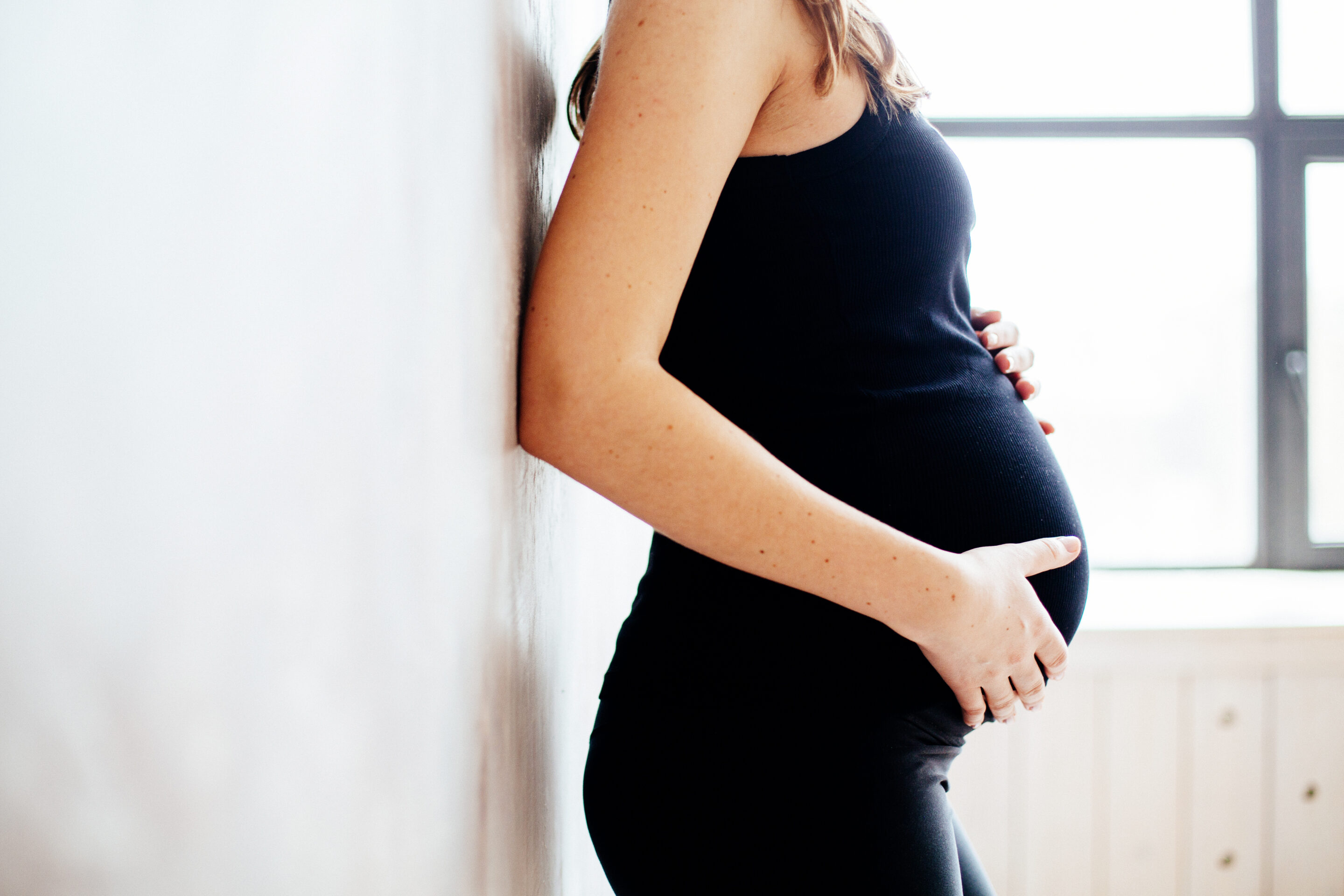
Varicose veins in pregnancy can be a common and distressing experience for many women. These twisted, blue or purple veins often appear on the legs, behind the knees, and on the thighs. In some cases, they can also extend into the vulva, causing discomfort and embarrassment. Despite their appearance, varicose veins are not simply caused by direct mechanical pressure from the baby or uterus on the veins in the pelvis. Instead, varicose veins are caused by a combination of factors. Firstly, the increased circulating fluid volume during pregnancy can cause the veins to dilate and enlarge. This is due to the additional 2 liters (40% of the blood volume) that is present by the third trimester. Secondly, hormonal changes towards the end of pregnancy, as the body prepares for labour, can also contribute to the development of varicose veins. These hormonal changes have an effect on the connective tissue in the vein wall, and this is probably why some women develop varicose veins when they take a contraceptive pill, or hormone replacement therapy. Finally, in the third trimester, the foetus places increased pressure in the pelvis, which can reduce venous return and contribute to the development of varicose veins.
Is there anything that can be done to help?
To help prevent or alleviate symptoms of varicose veins, there are several things that can be done. Exercising regularly, elevating your legs when sitting or lying down, avoiding standing or sitting for long periods of time, wearing support stockings, maintaining a healthy weight and regularly moving and stretching your legs can all help reduce the risk of developing varicose veins during pregnancy or alleviate any symptoms you may be experiencing.
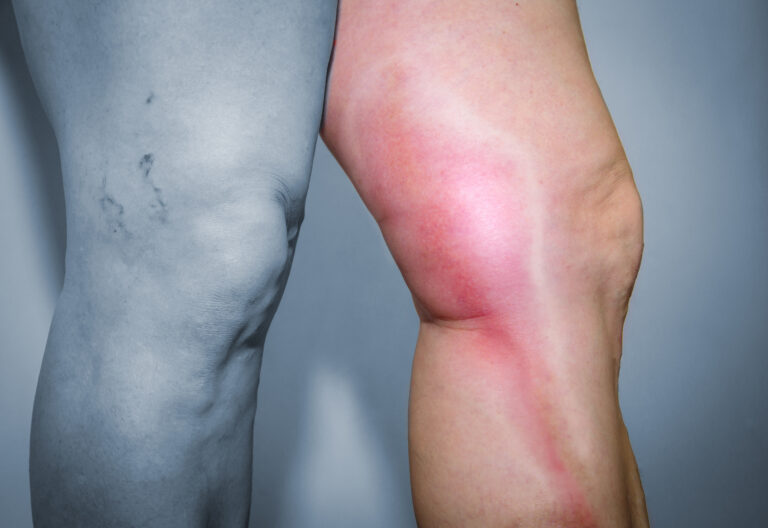
Varicose veins can take different forms and can range from large, twisted snakes to fine spider veins. They may become damaged or blocked, leading to inflammation of the overlying skin, known as thrombophlebitis. This condition can be treated with leg elevation, painkillers, and anti-inflammatory gel or cream. However, non-steroidal anti-inflammatory drugs such as ibuprofen should not be taken during pregnancy as they can cause premature closure of an important blood vessel in the foetus called the ductus venosus.
One important question regarding varicose veins during pregnancy is whether they lead to deep vein thrombosis (DVT). DVT is the formation of a blood clot in the large veins deep within the legs or pelvis. If left untreated, a portion of this clot can break away and travel to the lungs, causing a pulmonary embolism. Although rare, this can be a significant cause of maternal mortality. All pregnant women have an increased risk of DVT due to an increase in clotting factors during pregnancy, with the risk being highest after delivery. A scoring system is used to assess a woman’s risk of thromboembolism at the beginning of pregnancy, and any woman deemed to be at high risk will be offered prophylactic treatment.
Can varicose veins be treated during pregnancy?
If varicose veins are causing discomfort or embarrassment, there are options for treatment. However, all surgery and interventions must be delayed until after delivery, in line with the National Institute of Health and Care Excellence (NICE CG 168) recommendations based on the best available evidence. During pregnancy, treatment options include moisturisers, cool bathing and compression stockings. There are however a number of things that you can do to help prevent or alleviate symptoms, including: Exercising regularly, elevating your legs when sitting or lying down, avoiding standing or sitting for long periods of time, wearing support stockings, maintaining a healthy weight and regularly moving and stretching your legs can all help.

Compression stockings can be particularly effective in managing varicose veins and swelling during pregnancy. These stockings apply graduated pressure to the legs, promoting better blood flow and reducing the pooling of blood in the veins. It is always best to consult with a healthcare professional for proper measurement and fit to ensure that the stockings provide the right level of compression for your individual needs. They can be worn during the day and can be taken off at night for sleeping. Compression stockings are safe to use throughout pregnancy and can also be worn postpartum to aid in the healing process of varicose veins.
Personally I recommend below-knee stockings for most people unless they have a large number of symptomatic veins above the knee. Often sports compression or running socks are the most comfortable and can be purchased inexpensively online. Compression stockings can be worn during the day, but unless specifically directed by a clinician they should be taken off at night to sleep when the legs are elevated. Compression stockings are safe to use throughout the pregnancy, and can also be worn postpartum to aid in the healing process of varicose veins.
After delivery the full range of varicose vein treatment options become available. It should be noted, however, that if you are breastfeeding, there is a theoretical risk of anaesthetic agents being present in breast milk after treatment. To avoid this, it is recommended to discard milk for 48 hours after treatment and to bottle feed instead. This often impacts the choice of timing of any procedure and is an important consideration.
Should any vein treatment be delayed until after I have completed my family?
It is also important to know we no longer recommend delaying treatment until you have completed your family. Treating problematic veins before further pregnancies not only relieves symptoms but also prevents further damage by closing or removing the diseased veins to prevent the back pressure through these into other healthy veins.
In conclusion, varicose veins during pregnancy can be a common and distressing experience, but it is important to understand that it is not caused by direct pressure from the baby or uterus. It is caused by hormonal changes and an expansion of blood volume. While varicose veins can be uncomfortable, they do not typically lead to DVT. However, if a woman is deemed to be at high risk of thromboembolism, prophylactic treatment may be offered. If you have any concerns about varicose veins during pregnancy, it is best to consult with a healthcare professional. They can provide guidance on the best course of treatment for your individual case and help you navigate any potential risks or concerns. With the right care and treatment, you can feel confident and comfortable throughout your pregnancy. Remember, varicose veins are a common and manageable pregnancy symptom, so don’t despair!
With the right precautions and treatment options, varicose veins during pregnancy can be managed and women can feel comfortable and confident throughout this special time. Remember, varicose veins are a common and manageable pregnancy symptom, so don’t despair! Consult with your healthcare provider to determine the best course of action for your individual case and take steps to prevent or alleviate symptoms as needed.